- Procurement starts with a clear design basis, not a supplier list.
- Technical compliance, inspectability and documentation matter as much as price.
- Factory acceptance testing protects the project before equipment reaches site.
Oil and gas procurement is not a shopping exercise. The wrong package strategy, an incomplete specification or a weak inspection regime can create delays and safety risks that follow the project through construction and operation.
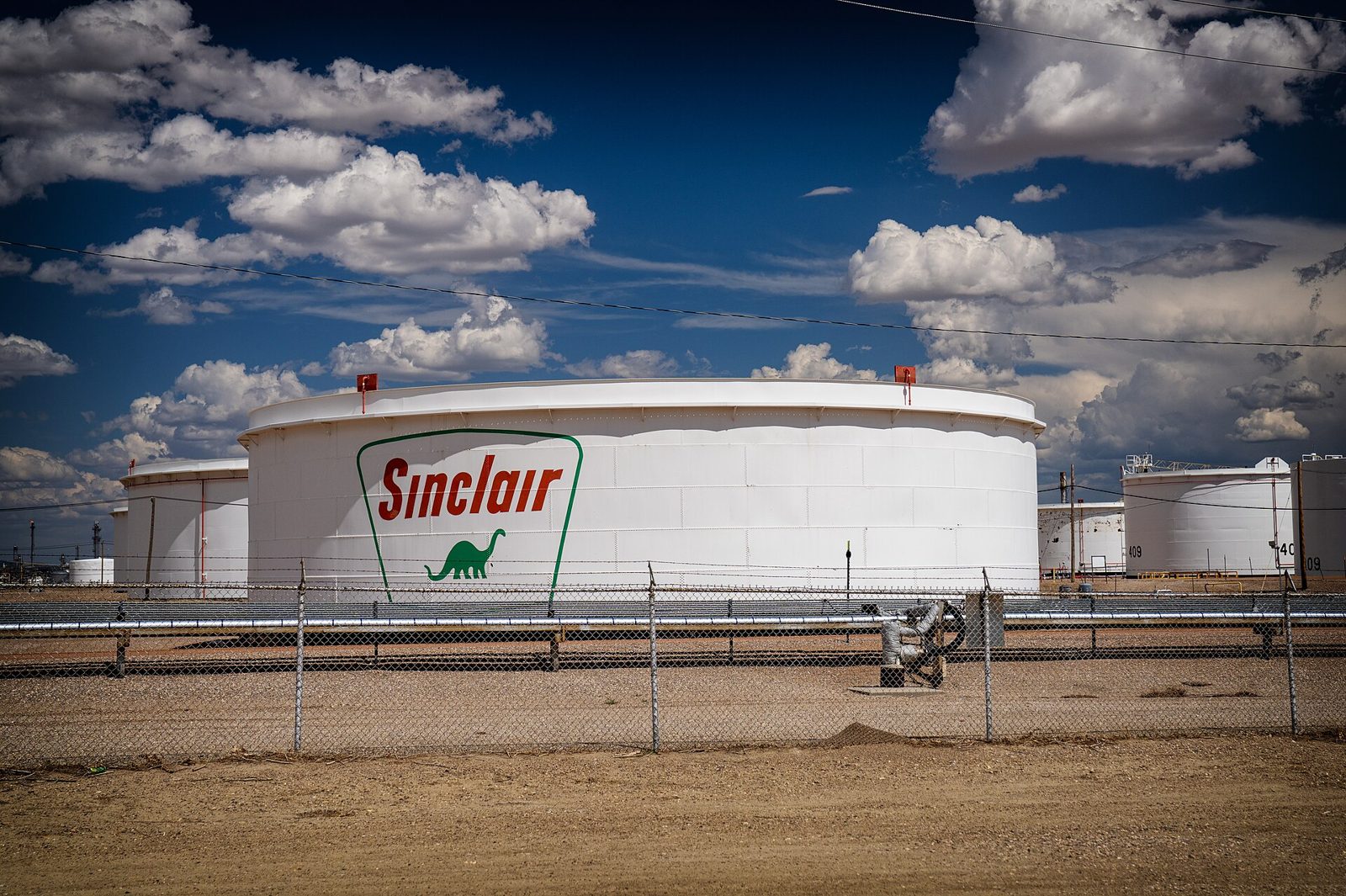
Start with the design basis
Before a tender is issued, the project should know what it is buying. The design basis defines the product, capacity, pressure, temperature, materials, codes, interfaces and operating philosophy. It also defines what is outside each package, because most procurement disputes begin at an interface that nobody owned.
For an LPG terminal, the design basis should cover storage type, ship unloading rate, jetty piping, transfer pumps, vaporisers, fire protection, control philosophy and emergency shutdown. For a pipeline or process facility, it should cover fluid composition, corrosion allowance, isolation philosophy and metering. These are engineering decisions, not commercial preferences.
Package strategy and specifications
The package strategy should reflect the market, the construction sequence and the client's ability to manage interfaces. A single EPC package gives one point of responsibility but can reduce competition. Multiple packages can improve pricing but increase coordination risk. The right answer depends on the project.
| Package | What to specify | Evidence to require |
|---|---|---|
| Pressure vessels | Design code, pressure, temperature, material, corrosion allowance, nozzle loads, testing | Design calculations, material certificates, NDT, pressure test records |
| Piping | Line class, material, routing, supports, expansion, testing and cleaning | Isometrics, weld maps, NDT, hydrotest and flush records |
| Valves | Type, rating, trim, actuation, fire-safe requirements and leak class | Type test certificates, material records, functional test reports |
| Pumps | Flow, head, fluid, seals, motor rating, controls and standby arrangement | Performance curve, witness test, vibration and seal checks |
| Fire systems | Detection, deluge, foam, firewater capacity and response philosophy | Hydraulic calculations, equipment certificates, integrated test |
| Civil works | Foundations, bunds, drainage, access, hazardous area layout | Design calculations, concrete and compaction tests, as-builts |
Evaluating suppliers
Supplier evaluation should go beyond the lowest price. The team should review technical compliance, manufacturing capacity, quality systems, previous experience, delivery record and after-sales support. Deviations should be listed and evaluated, not hidden in a commercial comparison.
Reference projects are useful, but they should be comparable in size, product and complexity. A supplier who has built small storage tanks may not be ready for a large LPG sphere. A supplier with a strong workshop may still struggle with site installation and commissioning.
Inspection and factory acceptance testing
Factory acceptance testing is the project's last clear opportunity to catch a problem before equipment is shipped. The test plan should be agreed in advance and should cover function, performance, safety interlocks and documentation. Witnessing should be done by someone with the authority to reject non-conforming equipment.
Inspection records should follow the equipment to site. Missing certificates, unresolved non-conformances and incomplete test packs become expensive when commissioning is under pressure.
Logistics, delivery and site interfaces
Procurement does not end at the factory gate. Transport studies, permits, port handling, heavy lift, storage and site access all need to be planned. A vessel that arrives before foundations are ready can cost more than a small delay in manufacturing.
The site team needs a delivery schedule that is linked to construction. Laydown areas, lifting equipment and preservation requirements should be agreed before shipment. Preservation is particularly important for equipment that will sit on site for months before installation.
Contract and documentation
The contract should define scope, schedule, quality, testing, delivery, warranty and documentation. It should also define what happens when a deviation is found. A clear change process is better than an argument later.
At close-out, the project should hold a complete package: approved drawings, calculations, certificates, test records, operating manuals, spare parts lists and warranties. That package is part of the asset, not an administrative extra.
Conclusion
Good procurement protects the design, the programme and the safety case. It starts with a clear basis, uses specifications that can be verified, evaluates suppliers on more than price, and follows equipment through testing and delivery. Amanda Engineering supports procurement and contract management for energy, infrastructure and oil and gas projects, including equipment for LPG terminal works.
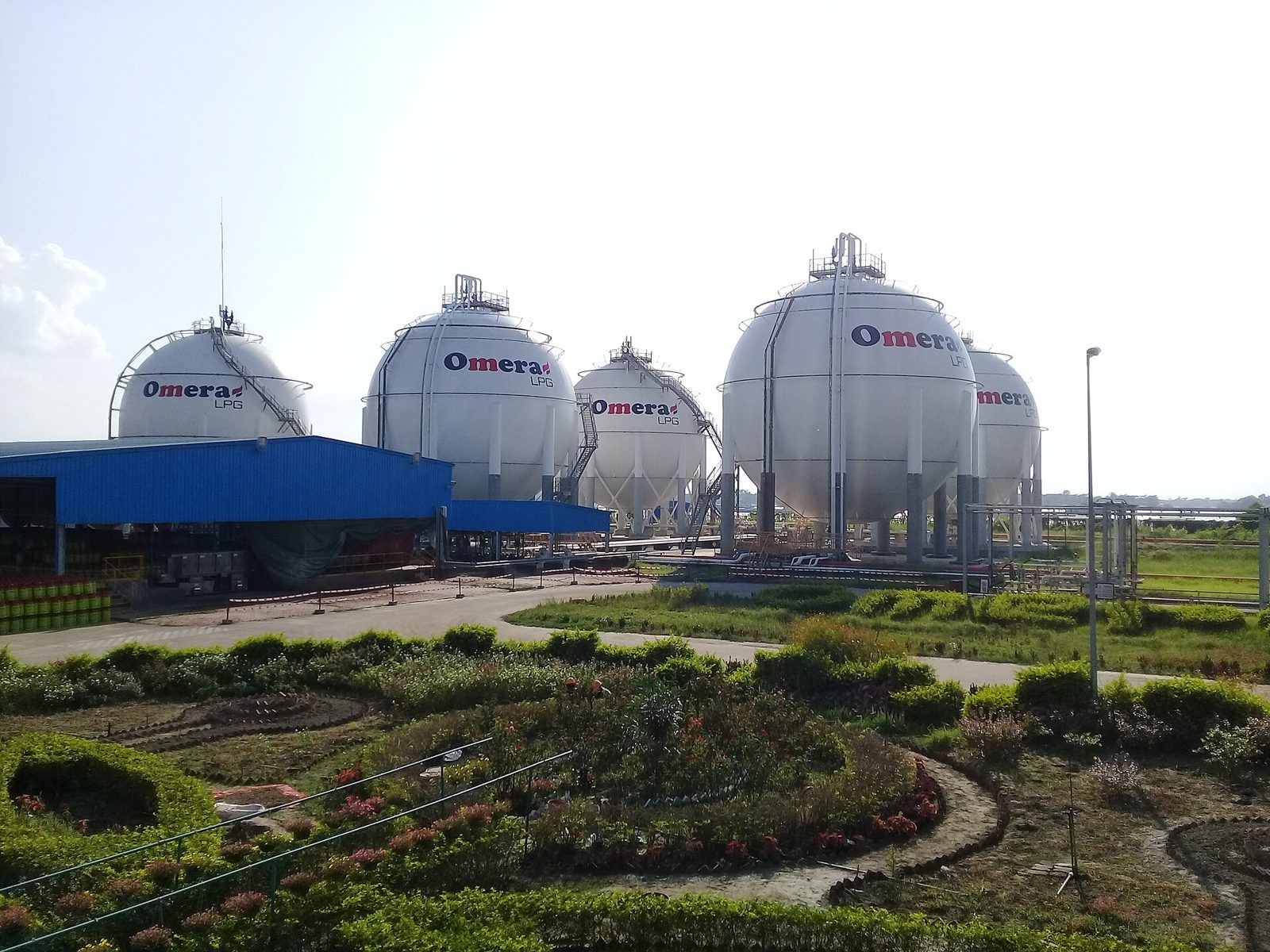
LPG terminal engineering: design codes, safety and delivery
Need support on a project like this?
Our team can help with feasibility, design, procurement, construction supervision and project management. Tell us about the site, scope and stage of your project.
Discuss a project