- Collection and segregation come before treatment.
- Facility design must match the real feed and operating context.
- Operating discipline determines environmental performance.
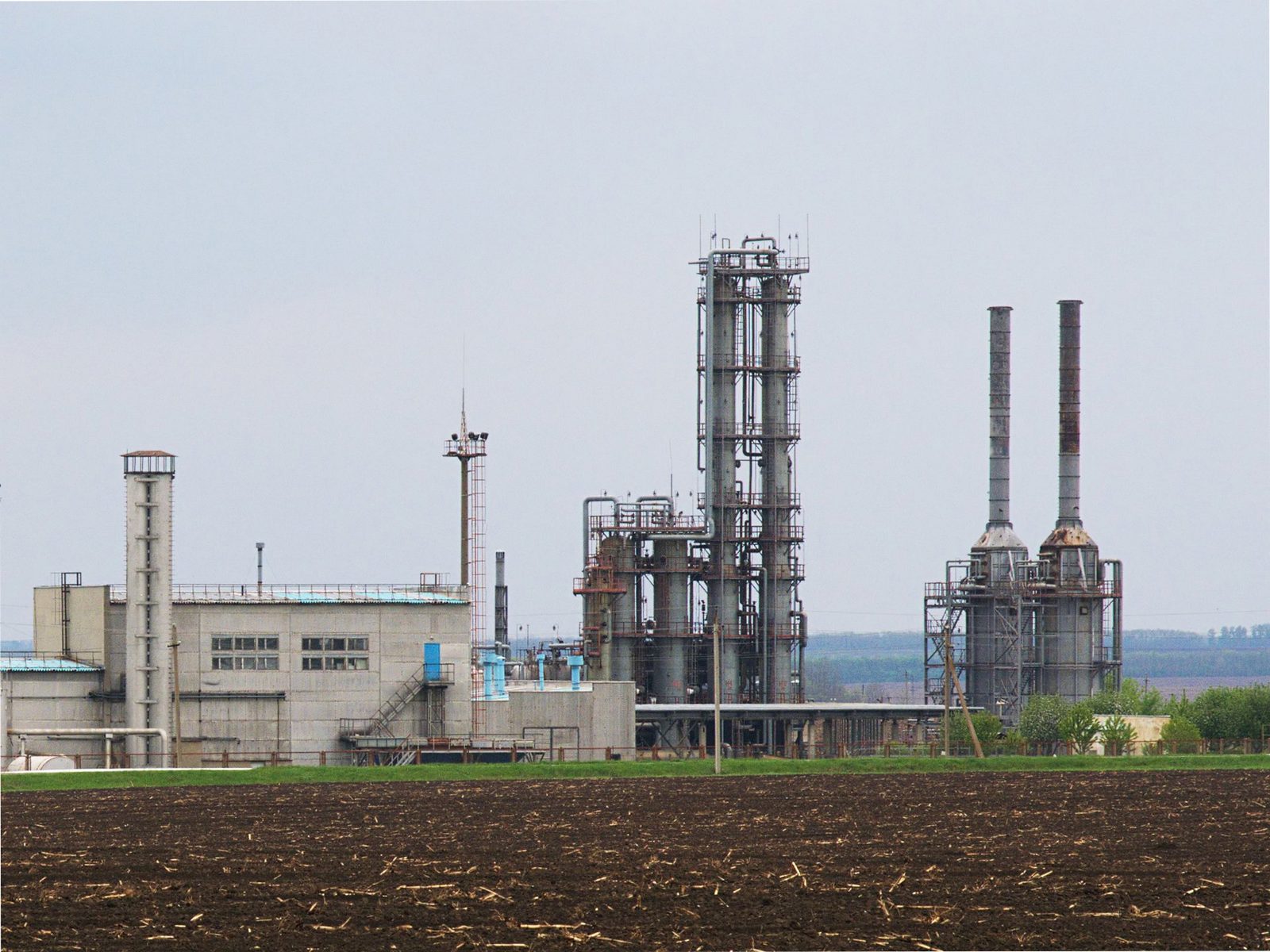
Waste oil is a small waste stream with a disproportionately large environmental footprint. A few litres can contaminate a large volume of soil or water, and uncontrolled burning releases pollutants that affect workers and nearby communities.
The problem with uncontrolled waste oil
Waste oil comes from engines, generators, workshops, industrial plant and oil field operations. It contains hydrocarbons, heavy metals, dirt and water. When it is dumped, it can seep into soil and groundwater. When it is burned in open pits or poor combustion equipment, it can release particulate matter, sulphur compounds and other harmful emissions.
The environmental and health effects are often felt first by the people closest to the site. A practical waste oil programme therefore has to address collection, storage, treatment, disposal and operator behaviour, not just the purchase of equipment.
Collection and segregation
The first step is to separate waste oil from other waste streams. Used oil should be stored in labelled, closed containers on a sealed surface with spill containment. Tanks should be inspected for leaks, and filling points should be designed to prevent overfilling. Contamination with solvents, water or chemicals can make recycling more difficult and should be avoided where possible.
Collection routes should be planned so that oil is moved safely and efficiently. Operators need training on handling, spill response and record keeping. A simple manifest system can show where oil came from, how much was collected and where it was sent.
Treatment and recovery options
Waste oil can be treated by settling, filtration, dehydration and distillation. Higher-grade re-refining can produce base oil, while lower-grade recovery can produce fuel for suitable industrial facilities. The right option depends on the volume, contamination, available technology and the regulatory framework.
Treatment facilities need containment, ventilation, fire protection, wastewater management and laboratory capability. The process should be designed for the actual feed, not an idealised one. Operators also need a clear plan for residues, sludge and spent filters.
Facility design
A waste oil management facility should provide safe access, a reception and sampling area, storage tanks, processing equipment, a laboratory or testing arrangement, drainage and spill containment. Buildings and equipment should be laid out to keep clean and dirty areas separate. Fire risks must be assessed and controlled.
The facility should also include space for administration, training and maintenance. A well-designed facility is easier to operate safely and more likely to remain compliant over time.
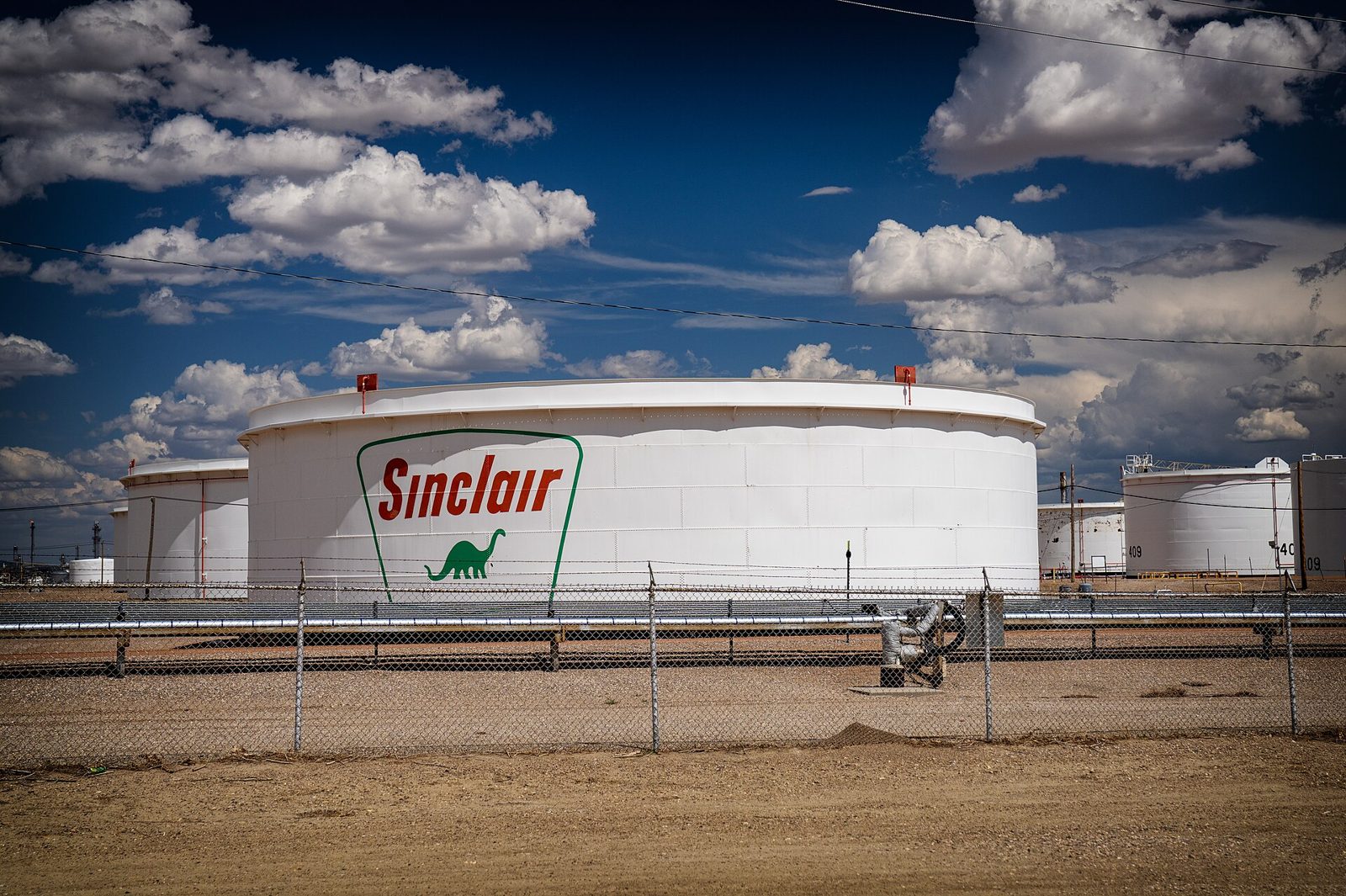
A sealed surface, spill bunds, controlled drainage and safe access prevent a small leak from becoming a soil or water contamination incident. Treatment technology cannot compensate for poor housekeeping.
Regulation, monitoring and reporting
Waste oil is regulated as a hazardous or controlled waste in many jurisdictions. The programme should identify the applicable permits, handling requirements, transport rules and disposal standards. Monitoring should cover quantities, storage conditions, emissions, effluent and incident reports.
Training and audits are essential. Operators need to understand why segregation matters and what to do when something goes wrong. Regular audits provide evidence that the facility is operating as intended.
The South Sudan programme
Amanda Engineering, in partnership with Tong Group Africa, is supporting the supply and installation of ten waste oil management facilities across South Sudan. The programme covers states including Unity, Upper Nile and Jonglei, and is intended to reduce the adverse environmental and health effects of uncontrolled oil spillages.
The work involves equipment supply, installation and commissioning support, with attention to site access, operator training and maintenance in a challenging operating environment. The programme is ongoing and shows how engineering procurement can support environmental protection where the need is greatest.
What good looks like
A good waste oil programme keeps oil out of the environment, recovers value where possible, protects workers and communities, and produces a clear record of what happened to the waste. It is a practical environmental service, not just a compliance exercise.
Working with communities and regulators
A waste oil facility needs a social licence as well as a permit. Nearby residents should understand what the facility does, how it controls odour, fire and spills, and how to raise a concern. Regulators should be able to see the operating records, test results and incident reports.
Transparent communication and routine inspection build confidence. They also make it easier to correct problems before they become disputes or enforcement action.
Waste oil streams and handling
Not all waste oil is the same. The facility design and operating procedures should reflect the actual streams the site will receive.
| Stream | Main risk | Preferred handling |
|---|---|---|
| Used engine oil | Hydrocarbons, heavy metals, water | Segregate, store in closed containers, send for re-refining or suitable recovery |
| Oily water | Large volume, variable quality | Separate oil and water, treat water, manage sludge |
| Oil sludge | High solids and contamination | Dewater, stabilise and dispose through an approved route |
| Used filters | Trapped oil and metal | Drain, collect and process through a specialist recycler |
| Contaminated soil | Spills and leaching | Excavate, contain and treat or dispose under approval |
Facility layout checklist
- Sealed reception and storage area with spill containment.
- Separate clean and dirty zones.
- Controlled drainage and storm water diversion.
- Fire access, extinguishers and emergency response equipment.
- Ventilation for enclosed processing areas.
- Laboratory or sampling area for incoming oil.
- Waste residue and filter storage.
- Operator changing, washing and welfare facilities.
A facility that is easy to clean and inspect is more likely to stay compliant. Access, lighting and drainage are not cosmetic details. They determine whether spills can be contained and whether operators can work safely.
Resettlement planning along transmission corridors
Need support on a project like this?
Our team can help with feasibility, design, procurement, construction supervision and project management. Tell us about the site, scope and stage of your project.
Discuss a project